The Naughty Bus is one of my favourite stories to read to children. The text is presented in a fun way, with words that help convey meaning. It’s the illustrations that bring the story to life for me though, real photographs in a fiction book. I love the way a real London Bus toy comes to life on the pages in the way that children imagine when they are playing with their own toys.
These illustrations made me think about the ways that photography can inspire children to write. What if children used their own photography as a stimulus for writing?
Each day this week, children have come to school to find our own Naughty Bus in various scenes of chaos.


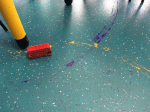
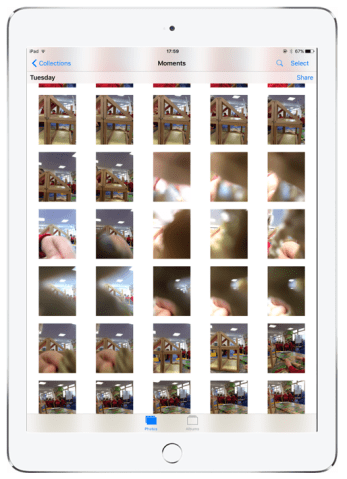
These scenes created lots of conversation and excitement each morning, and I modelled how to capture these moments with our camera. In a few taps of the iPad, I could snap a few photographs, swipe through them with the children on the spot, select the ‘one best’ photo and print it wirelessly to display on in our classroom. The children then set to work cleaning up after their Naughty Bus but the moment was captured forever (and shared with parents via the class blog).

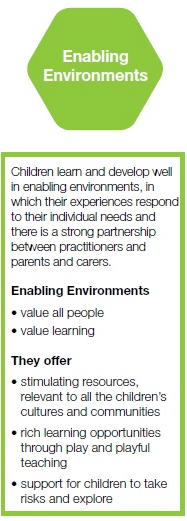 Enabling Environments theme should ‘value all people’ and all learning. Yet there is a division in the early years community about the role of technology in learning. Our young children have access to technology in the home and there are an abundance of reports and opinions claiming screen time is a contributing factor towards low attainment in physical, social and language development. For this reason, there are settings who switch off to technology provision.


 Cathy Hunt, of the
 “Cathy is a well-known advocate for the creative integration of technology in education, developing ground-breaking programs for students around the world that combine hands-on, tactile and collaborative ways of working with mobile devices. Cathy is probably best known for her work on
 Enabling Environments